Back
Back- November 04, 2025
Beyond the Balance Sheet
Rethinking How We Measure the Carney Budget
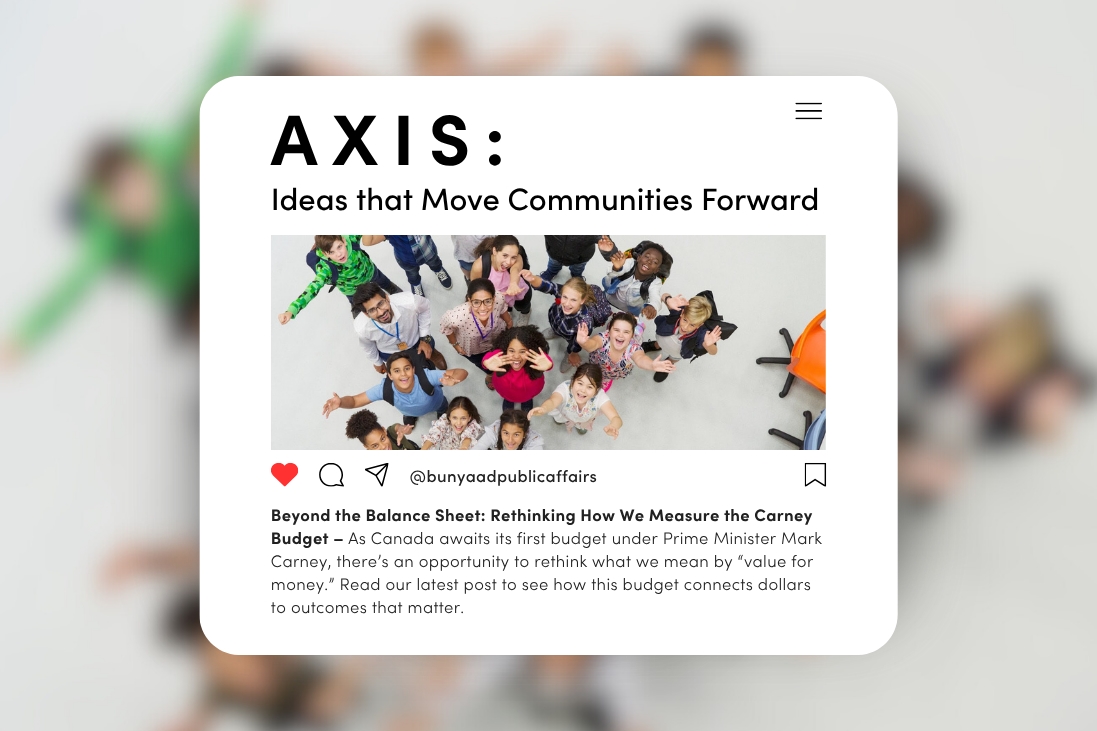
As Canada approaches its first federal budget under Prime Minister Mark Carney, the pundit conversation about fiscal policy will inevitably centre on growth, restraint, and balance sheets. But what if we widened the lens? What if we asked whether they add value, not just economic value, but social and institutional value that endures beyond a fiscal year.
Internationally, there are models for this kind of thinking. The OECD Wellbeing Framework offers a comprehensive view of national progress, one that measures not only income and productivity but also health, education, environmental quality, and social connection. It asks governments to consider whether life is improving for people, whether those improvements are shared fairly, and whether we are investing in the capacities that will sustain well-being into the future. Meanwhile, the United Kingdom’s Public Value Framework (a tool Prime Minister Carney would have encountered during his time at the Bank of England) offers a disciplined way of linking government spending to real outcomes. It emphasises purpose, legitimacy, and evidence. It insists that public money must translate into tangible benefit and that progress must be measured transparently.
Bringing these two perspectives together could give Canada a more credible and human-centred way to evaluate the coming budget. It invites us to look past inputs and outputs and focus instead on how policy choices affect people’s lived experience. For example, if new spending is directed toward infrastructure or climate transition, we should ask whether those investments improve access, opportunity, and resilience in communities that have traditionally been left behind. If fiscal restraint limits social programming, we should ask whether the resulting trade-offs align with our long-term national wellbeing.
A hybrid framework like this helps clarify the right questions to ask. Are these investments building human capital including the skills, health, and capacity of people to participate fully in society? Are they strengthening social capital, the trust, relationships, and civic institutions that hold communities together? Are they protecting natural capital such as the environmental foundations that make future prosperity possible? And are they enhancing the legitimacy and capability of public institutions to deliver effectively over time?
These aren’t abstract questions. They get to the heart of how we define responsible leadership and fiscal stewardship in an era when confidence in public systems is fragile. Evaluating a national budget through this lens allows us to see whether fiscal choices align with the outcomes Canadians care about: stability, fairness, and opportunity.
The Carney government’s stated goal of separating day-to-day spending from long-term investment makes sense only if we can show that those investments are creating durable public value. That will require more than prudent accounting. It will require a willingness to define success in broader, more human terms to measure not just the economy we grow, but the society we are building.
Sherri Moore-Arbour
CEO
BUNYAAD Public Affairs
BackRecent Post
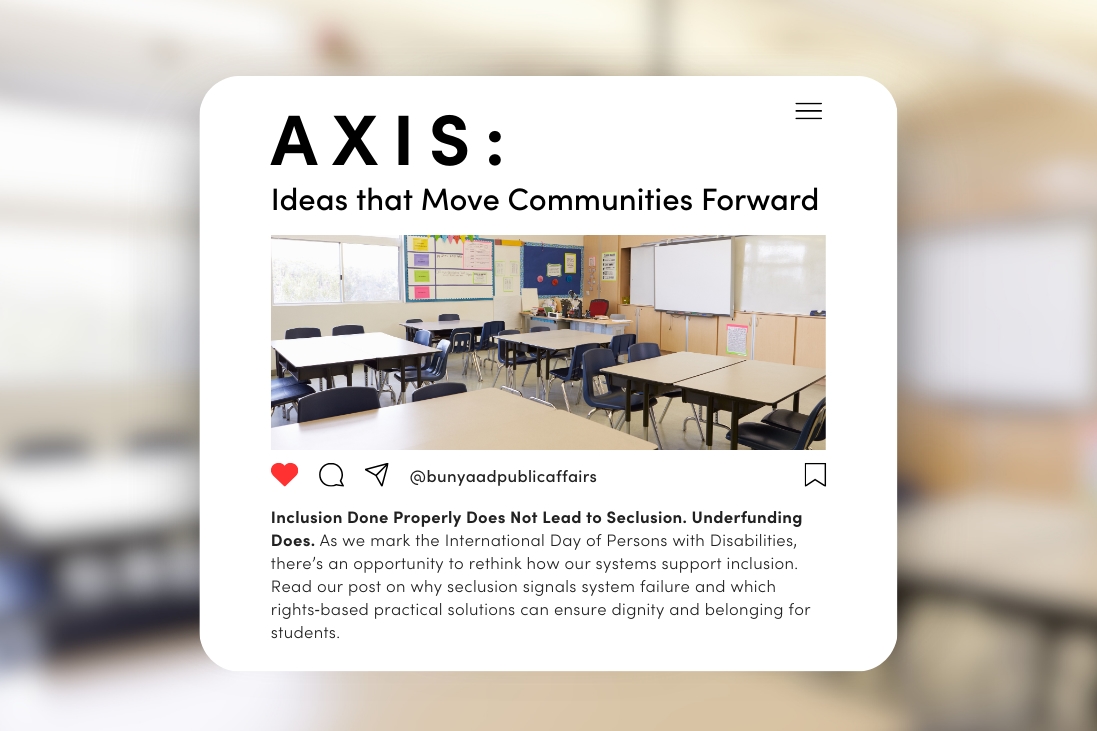
Inclusion Done Properly Does Not Lead to Seclusion. Underfunding Does.
- December 03, 2025
As we mark the International Day of Persons with Disabilities, there’s an opportunity to rethink how our systems support inclusion. Read our post on why seclusion signals system failure and which rights-based practical solutions can ensure dignity and belonging for students
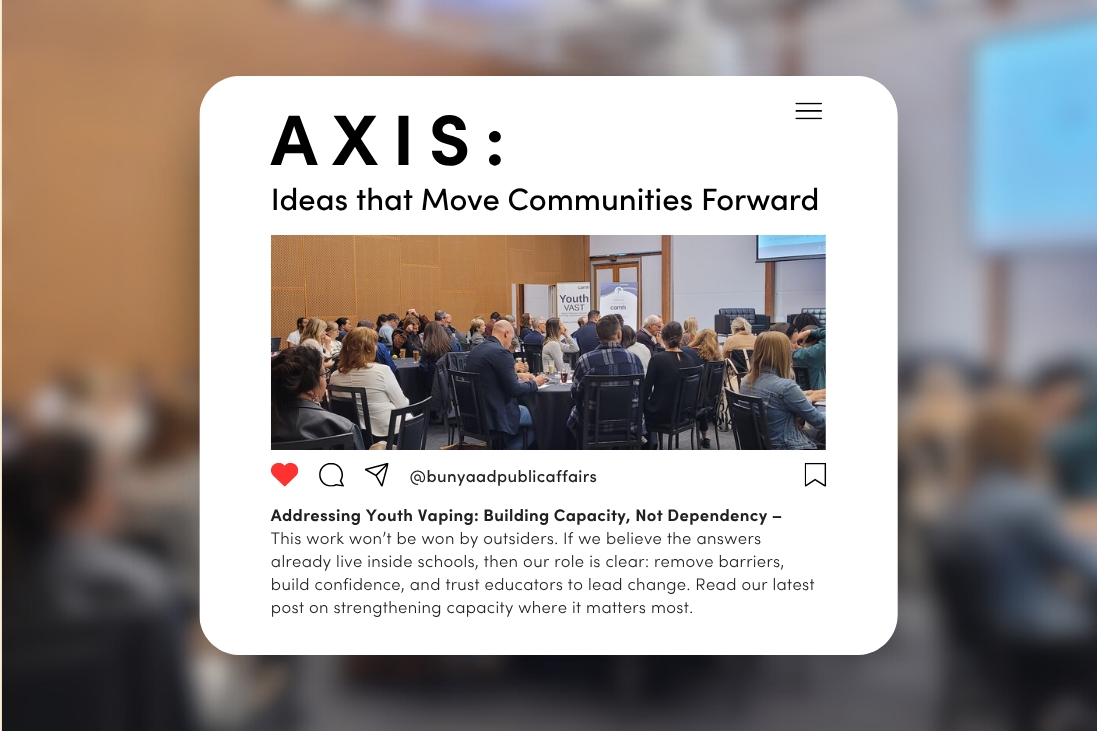
Addressing Youth Vaping: Building Capacity, Not Dependency
- October 28, 2025
The work of prevention won’t be won by outsiders. Our Addressing Youth Vaping in Schools series equips educators with tools that match their world. Read how this approach builds capacity where students already feel seen and supported.
 Prev Post